 www.kadapa.info Voice of the YSR Kadapa District
Kadapa, in the heart of Rayalaseema, is a land where the sun is fierce, the soil is red, and the food mirrors both – fiery, earthy, and unforgettable. Every culinary delight here tells a story of resilience and rootedness; of generations who shaped their cuisine from the land’s heat and hunger alike.
A Morning that Begins with Fire
In Kadapa’s bustling bylanes, dawn breaks not with the scent of coffee, but with the hiss of dosa batter meeting a hot iron griddle.
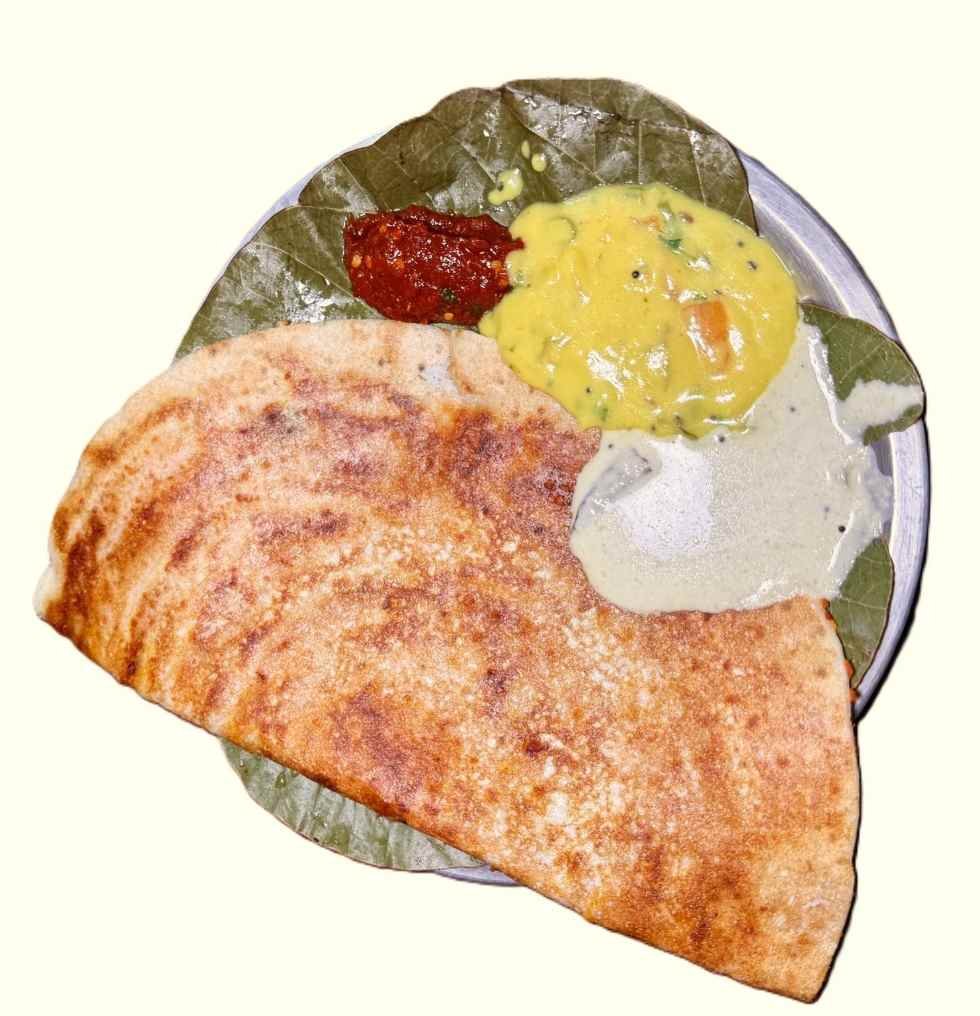
The Karam Dosa : crisp, golden, and generously smeared with a deep red chilli onion paste (erra Karem) – is the district’s most loved breakfast. The first bite, with its smoky spice and soft heart, sets the tone for the day. Vendors ladle out batter in rhythm, sprinkle the bright pappula podi (fried gram powder), and fold the dosas deftly, as the aroma drifts through the streets.
Uggani & Bajji: Rayalaseema’s Crisp, Tangy Pair
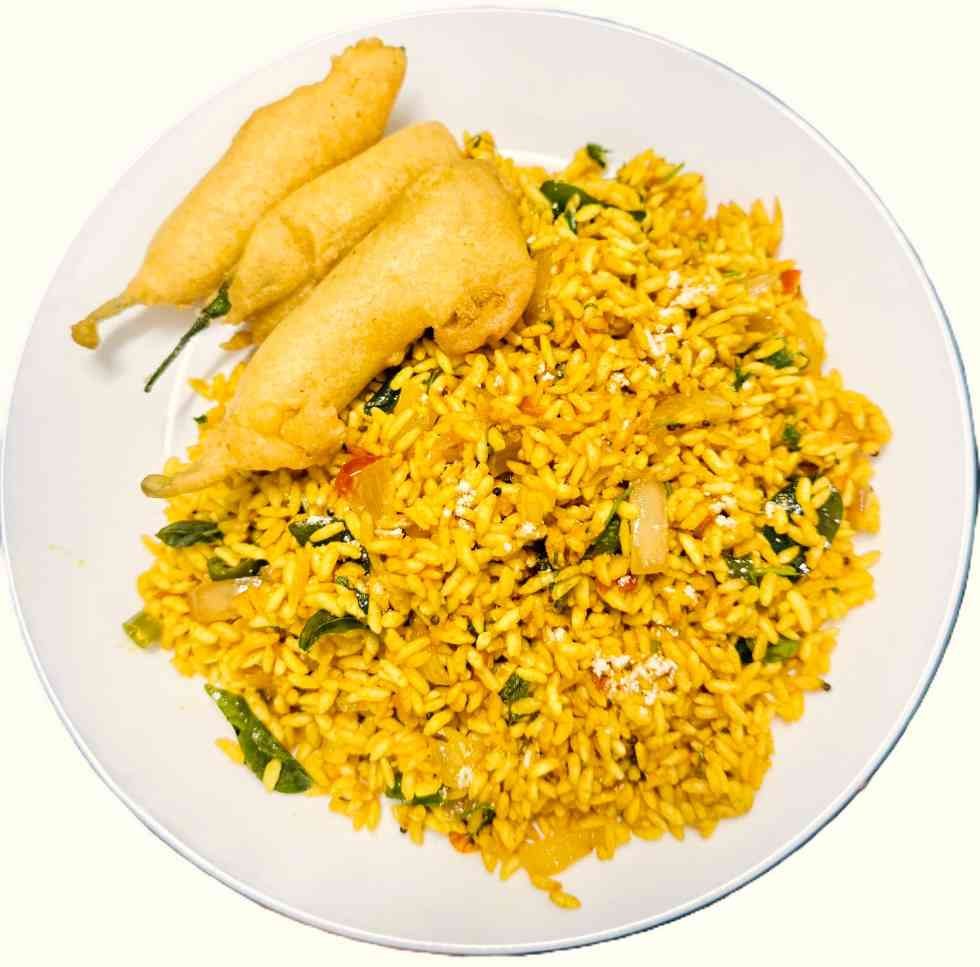
In the early hours across Kadapa and deeper into Rayalaseema, you’ll find small hotel-kitchens opening before dawn, heating oil, roasting chillies, and stirring bowls of puffed rice. The staple Uggani – a tempered puffed-rice upma with karem pappula podi – is often served with fiery Mirchi Bajji, forming a breakfast combo that’s unpretentiously bold and deeply local.
Pair these with a tumbler of strong filter coffee, and you’ve understood Kadapa’s mornings – brisk, bold, and unapologetically flavourful.
Ragi Sangati and Naatu Kodi Pulusu : The Meal of the Land (for Non Vegetarians)
If the Karam Dosa or Uggani defines Kadapa’s mornings, the combination of Alasanda Vadalu, Ragi Sangati and Naatu Kodi Pulusu defines its spirit.
Before the main course arrives, Kadapa’s kitchens often set the tone with something hearty yet familiar – a combination that teases the appetite and speaks of home. One such prelude, beloved across Rayalaseema, is a pairing of Alasanada Vadalu with a ladle of Naatu Kodi Pulusu.
Alasanada Vadalu : crisp fritters made from soaked and ground black-eyed beans are golden, nutty, and faintly aromatic with cumin, curry leaves, onion and green chillies. The batter is shaped by hand, flattened slightly, and deep-fried till the edges turn rugged and crunchy while the centre stays tender.
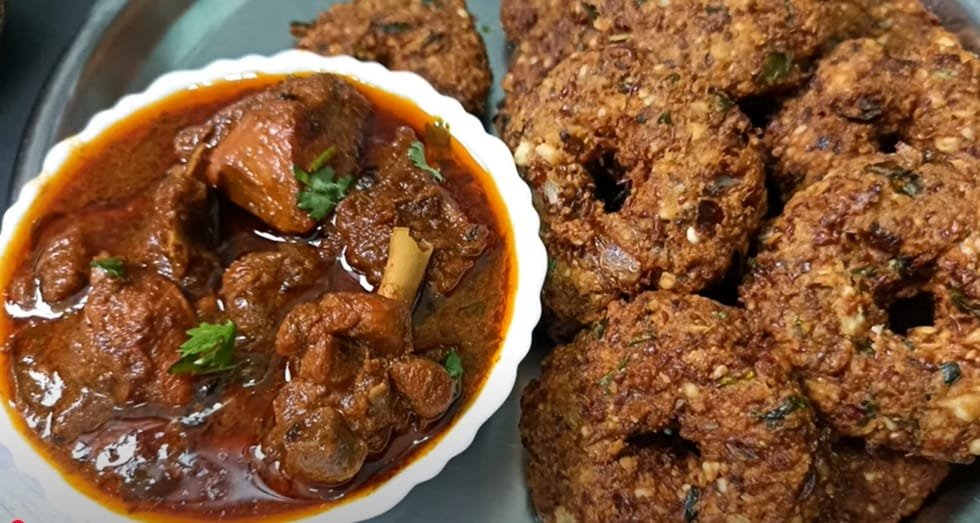
These vadalu, though simple, hold a rustic elegance. They carry the earthiness of the legume and the warmth of home-ground spices. Served hot, they’re irresistible on their own – but in Kadapa, tradition takes them a step further.
The Naatu Kodi Pulusu that accompanies them is no mild affair. It is a country chicken stew, slow-cooked with tamarind, onions, and a riot of red chillies. The gravy glows deep amber, its aroma rich with ground coriander, garlic, and black pepper.
When a crisp vadalu is dipped into this pulusu, the flavours mingle, the fritter’s crunch yielding to the tang and heat of the curry. The first bite is smoky, the next layered with spice and depth. It’s the kind of pairing that doesn’t need ceremony; it needs silence, as diners savour the perfect balance of crisp, tang, and spice.
Ragi Sangati : dense balls made from finger millet flour has been a staple of Rayalaseema for centuries. It sustains farmers through long hours under the sun, offering strength without pretence. The earthy flavour of ragi finds its perfect partner in Naatu Kodi Pulusu.
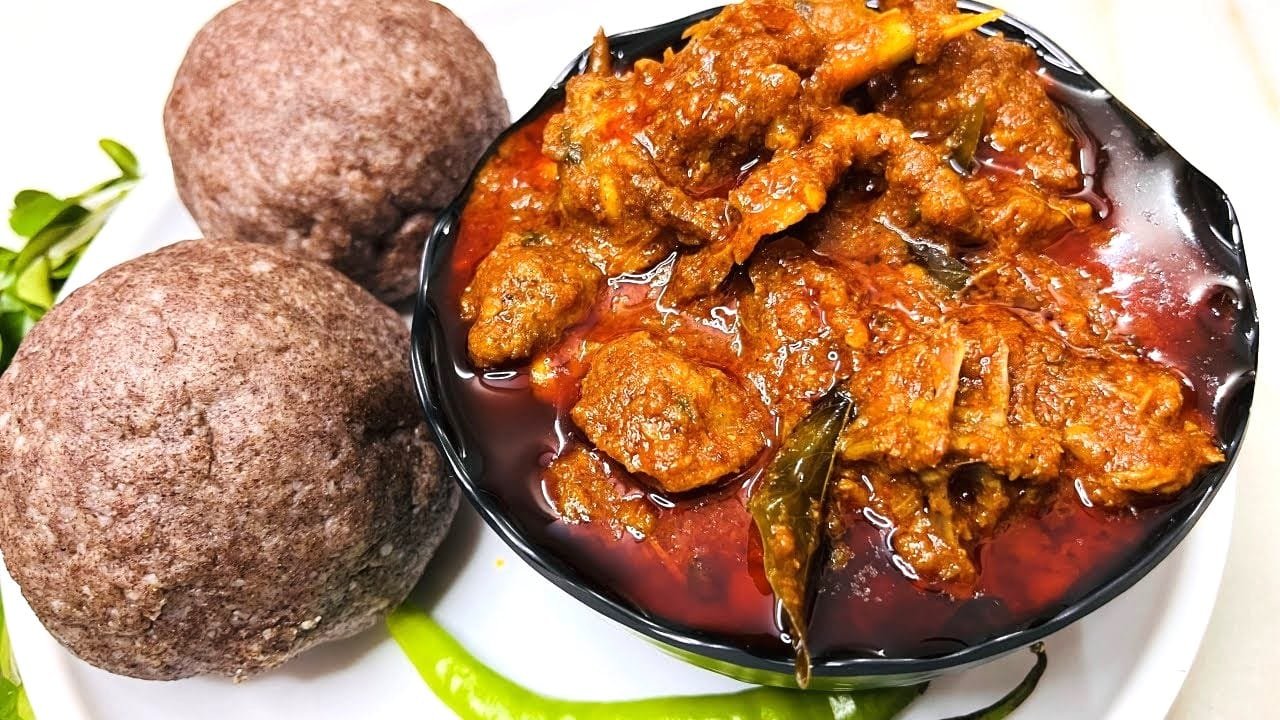
The result is rustic, soulful, and unmistakably Kadapa – the sort of dish that demands you eat with your hands and savour every morsel.
Ragi Sangati & Puttagodugula Pulusu: The Earth’s Vegetarian Feast
If Ragi Sangati with Natu Kodi Pulusu is the fiery soul of Rayalaseema’s non-vegetarian table, its vegetarian mirror is no less rich in spirit — the humble yet profound pairing of Ragi Sangati with Puttagodugula Pulusu or Pappu or Sanikkaya karem (verushanaga pchchadi).
Puttagodugulu, the tender field mushrooms that sprout after the first rains, are a rare monsoon gift. In Kadapa’s homes, they’re cleaned carefully, sautéed with onions, and simmered in tamarind and red chilli – transforming into Puttagodugula Pulusu, a dish that glows with the same deep amber hue and layered spice as its meaty counterpart. The mushrooms, with their meaty texture and earthy aroma, absorb the pulusu’s tang and heat, creating a stew that’s hearty, rustic, and deeply satisfying.
Paired with Ragi Sangati, the dense, warm millet balls that have fed generations of farmers – this combination embodies the land’s generosity. Every bite tells of the soil, the rain, and the patient rhythm of life that ties Kadapa’s people to their plate.
For days when the fields are dry and mushrooms are scarce, the same Ragi Sangati finds solace in Pappu – often made with Gongura, Tomato, or Palakura (spinach) or in a generous helping of Sanikkaya Pachadi (Sanakkaya Karem Pachadi), the roasted peanut pachadi that is every Rayalaseema kitchen’s pride. The smooth, nutty heat of the pachadi, or the tang of the lentil stew, meets the earthy warmth of the ragi with perfect balance. A drizzle of ghee, a bite of raw onion, and a spoonful of pickle complete the plate – simple, sustaining, and deeply local.
Oligalu with Ghee: A Sweet Sunset on the Kadapa Plate
After a meal alive with the fire of chillies and the tang of tamarind, Kadapa’s tables settle into calm. The final act is unhurried, fragrant, and golden – a warm Oligalu drizzled with ghee.
Known elsewhere as Bobbatlu or Bhakshyaalu, this dessert in Kadapa homes is more than a sweet – it is ritual, memory, and celebration folded into one. The preparation begins early: a filling of cooked chana dal and jaggery is mashed to a silky paste, scented lightly with cardamom, then enveloped in a thin layer of dough. Each disc is rolled gently on a greased leaf or plastic sheet and toasted on a tawa till golden brown specks appear on both sides.
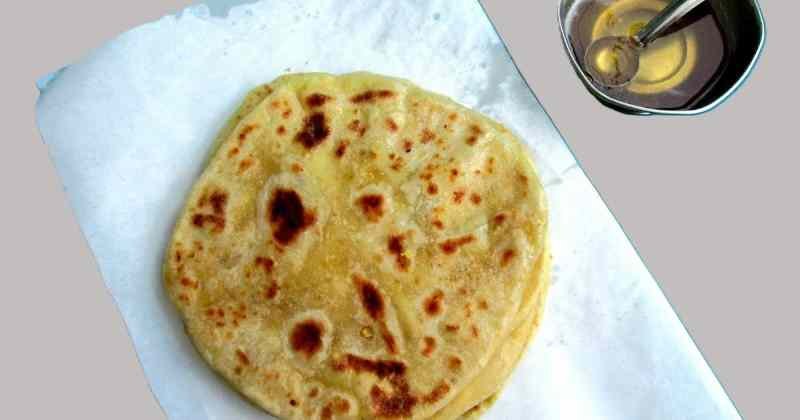
The real indulgence begins when a spoon of warm, aromatic ghee is poured over it – seeping into the folds, carrying the fragrance of home.
Served hot and soft, Oligalu gather the flavours of Kadapa into one moment – the earthiness of grain, the sweetness of jaggery, the purity of ghee. After the heat of Naatu Kodi Pulusu, the crunch of Vadalu, and the tang of Pulihora, this quiet sweetness restores balance to the palate.
It is the pause after the music – the kind that lingers.
Jonna Rotte & Sodda Rotte: The Soul of Kadapa Nights
When dusk descends on Kadapa, and the scent of woodsmoke lingers in the air, the kitchens of Rayalaseema come alive once again – this time with the soft crackle of flatbreads being pressed by hand. The night belongs to the rotte – Jonna Rotte or Sodda Rotte – simple, wholesome breads made from the grains of the land.
Jonna Rotte, prepared from sorghum flour (jowar), is flattened skillfully by hand, each bread puffing slightly on the griddle before it’s brushed with a faint layer of ghee. Sodda Rotte, often made from a mix of rice and jowar flours, is softer, thicker, and carries a faint sweetness from the grain. Both are eaten fresh and warm, served straight from the pan — the kind of food that fills both body and soul after a long day’s work.
With Chicken or Mutton Curry: The Night’s Indulgence
For non-vegetarians, dinner in Kadapa often means pairing these rustic rottes with a slow-cooked Chicken or Mutton Curry. The gravies are deep, red, and aromatic – simmered patiently with roasted masala, onions, and dried chillies till the oil separates and gleams on top. The meat turns tender, soaking up the spice and tang of tamarind.
A piece of Jonna Rotte torn by hand and dipped into this curry gathers the flavours of the region – the smokiness of the bread, the fire of the spice, and the mellowing touch of ghee. It is the quintessential Kadapa supper: robust, grounded, and full of heart.
Vegetarian Comforts: Jonna/Sodda Rotte with Menthi Pappu or Pulusu
For vegetarians, the same Jonna/Sodda Rotte finds company in gentler flavours – a bowl of Menthi Pappu (fenugreek-flavoured lentil stew), or a tangy Puttagodugula Pulusu made with field mushrooms when in season. On other nights, it’s the homely Bataneela Pulusu – a green-pea stew simmered with onions, tomato, and tamarind – that shares the plate.
The contrast is quietly delightful: the soft, smoky flatbread meeting the mellow bitterness of fenugreek leaves or the sharp tamarind of the pulusu. A spoon of ghee poured over the rotte ties the flavours together, softening the edges of spice and bringing out the grain’s natural sweetness.
These dinners are quiet affairs, no heavy spreads or elaborate sweets, just warm food, soft lamplight, and conversation. They close the day the way Kadapa knows best: with balance, warmth, and an unspoken gratitude for the grain and spice that sustain its people.
The Circle of a Day in Kadapa
From the fiery dawn of Karam Dosa to the serene sweetness of Oligalu, and the hearty dusk of Jonna Rotte with curry or pappu, a day’s food in Kadapa is a circle of flavour — each meal carrying its own pace, its own story. It is a cuisine shaped not by luxury, but by labour; not by opulence, but by affection. And that, perhaps, is what makes Kadapa’s food truly unforgettable.